Diagnosis
Checking Your Blood Pressure at Home
Keeping track of your blood pressure at home can be a good way for you and your doctor to learn how your blood pressure changes during the day.
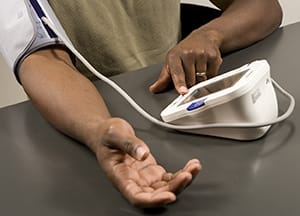
Tips for buying a blood pressure monitor
- The American Heart Association (AHA) recommends an automatic monitor that uses a cuff that goes on your upper arm (bicep).
- The AHA doesn't recommend wrist and finger monitors. Their results are not as reliable as the upper arm monitors.
- Check that the monitor meets the U.S. Blood Pressure Validated Device Listing criteria. See www.validatebp.org for more information.
- Check that the monitor is approved for children, pregnant women, and older adults if it's going to be used for these groups.
- People with smaller or larger arms may need a special cuff size. Measure around the upper arm. Choose a monitor that comes with the correct cuff size.
- Check your monitor's reading with your doctor's reading when the device is new. Check it once a year after that.
- Monitors can wear out over time. They may no longer be able to be adjusted. You may have to replace your monitor if the measurements are very different from the measurements made at your doctor's office.
Author: Ignite Staff
Online Medical Reviewer: Stacey Wojcik MBA BSN RN
Online Medical Reviewer: Steven Kang MD
Date Last Reviewed: 09/01/2025
Copyright Health Ink & Vitality Communications