Radiation therapy can be a key part of cancer treatment. To feel better during treatment, get plenty of rest, exercise, and eat well. This will give your body the extra strength it needs right now. Also look to family and friends for support and comfort.
Family and friends
You'll decide when you feel comfortable talking openly about your cancer. Friends and family can be a great source of comfort. Or you may find it more helpful to go to a support group or talk to a counselor at first.
Many times, people are willing and want to help, but they don't know what to do. Try to accept help when people offer it. Ask for specific things, like picking up a few groceries or mowing your lawn. Radiation treatments are often done every day for many weeks. Maybe you could use a ride to and from treatment.
Work and daily activities
Most side effects of radiation are limited to the area being treated. Because of this, many people can work and do other regular daily activities during their therapy. But this can vary for each person. Ask your healthcare provider if you can expect to work during your radiation therapy.
If you are also getting chemotherapy, your blood counts may drop, and you might feel very tired. You may feel too tired to work or do other daily activities. If you're having side effects that make it hard for you to work, talk with your employer about changing your schedule or working from home. In some cases, your blood counts may be too low to be safely around lots of people, due to the risk of infection. If this happens, your healthcare provider will tell you when and how to protect yourself.
Exercise
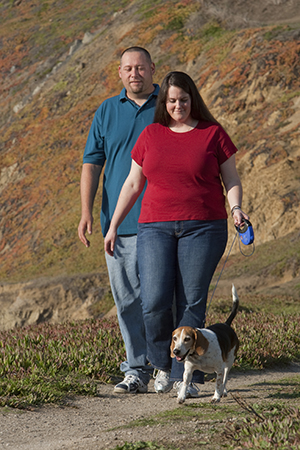
Exercise can help you sleep better and may help control some side effects. Exercise when you have the most energy. Don’t push yourself. Instead of jogging, take a short walk or ride a stationary bike. Ask your healthcare provider what types of exercise are safe for you.
Sleep
Sleep affects your energy and mood. It may help ease symptoms and can help you recover from treatment. Some of the medicines used as part of your cancer treatment can affect your sleep cycle. Talk to your treatment team if you're having trouble sleeping. They can help you.
Sex
Fatigue may affect your desire for sex. Radiation therapy to the pelvis may affect your sex organs. Talk to your partner and your radiation therapy team. During this time:
-
If you don’t feel like having sex, explore other ways to be close, such as touching, hugging, cuddling, and talking.
-
Radiation therapy to the pelvis can make you unable to have children (infertile). If you plan to have children in the future, talk to your healthcare provider before starting treatment.
-
If your provider says it's OK to have sex, go ahead. A water-based lubricant may help reduce friction, which can make sex more comfortable. During radiation treatment (and during chemotherapy), be sure to take steps to prevent pregnancy. Some cancer treatments can cause birth defects in babies.
Will treatment make me radioactive?
This depends on the type of treatment:
-
External radiation therapy. This radiation comes from a large machine that sends beams of radiation into the part of your body being treated. It will not make you radioactive. You don’t have to worry about being near friends or family members, including young children or babies.
-
Internal radiation therapy. This means the radioactive material is put into your body. In some cases, you may be radioactive for a short time. Your healthcare team will tell you what you need to do to protect other people. Make sure to talk with your healthcare team about any concerns and questions you may have.
Featured in
Online Medical Reviewer: Jessica Gotwals RN BSN MPH
Online Medical Reviewer: Marianne Fraser MSN RN
Online Medical Reviewer: Susan K. Dempsey-Walls RN
Date Last Reviewed: 10/01/2024
© 2000-2026 The StayWell Company, LLC. All rights reserved. This information is not intended as a substitute for professional medical care. Always follow your healthcare professional's instructions.